Higgsfield: AI to create videos with more visual direction
Higgsfield brings together AI tools for visual creation and controls to explore scenes, lighting, and camera movements.
Voices depend on your browser and device; some require internet access. Code blocks are not read aloud.
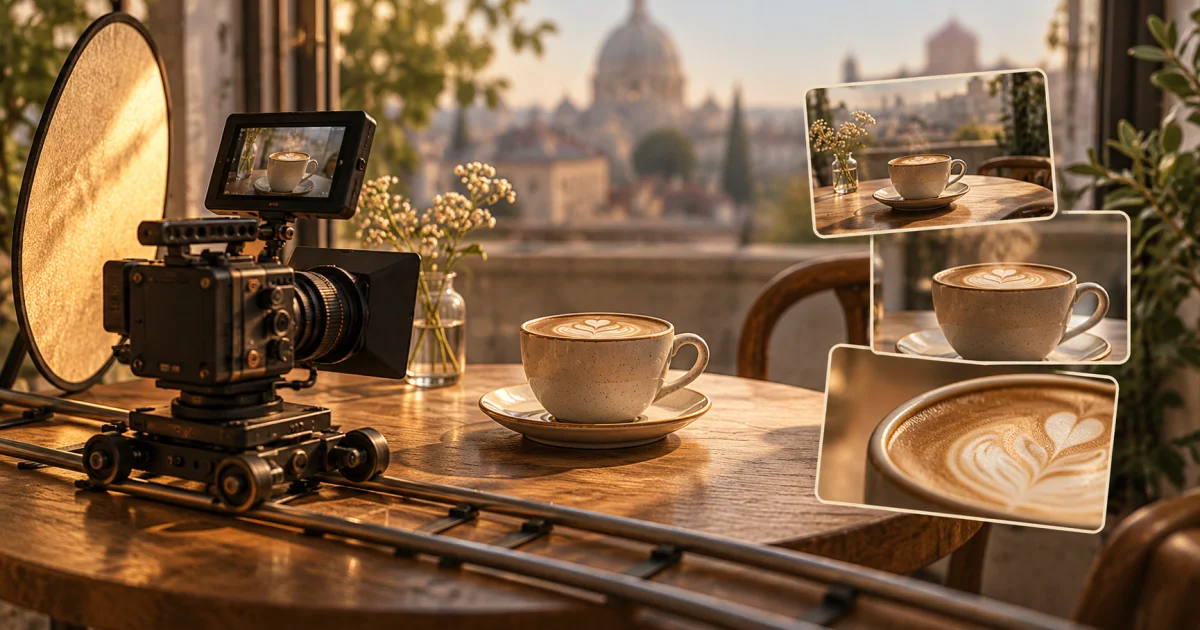
You imagine a scene: the camera slowly moves closer, light comes through the window, and a detail appears at just the right moment. Translating that idea into video involves several decisions that a short description may leave open.
Higgsfield brings together tools for creating and editing visual content with AI. Within that collection, Cinema Studio stands out for offering choices related to directing the scene, such as lighting, the look of the lens, and camera movement.
Giving the result direction
In the official guide to camera control, the company presents a workflow that combines written instructions with parameters defined before generation.
A prompt is simply the text request sent to AI. It describes the scene, while the controls help specify visual aspects. Instead of writing only “a beautiful video,” it makes more sense to explain what appears, how the scene starts, and how it should end.
The tool offers options for exploring movements and styles. This brings the experience closer to decisions that are already part of audiovisual language, even when the material is generated.
An example to move beyond the abstract idea
Imagine, as an illustrative exercise, a short video introducing a fictional coffee shop. The first scene shows a cup near the window; the next reveals the counter and the atmosphere of the space.
You could try a slow move closer, compare softer light with a higher-contrast scene, and observe which alternative best communicates the intended feeling. The aim of the test would be to choose a visual direction without assuming that the first generation is already ready to use.
You would also need to check whether objects keep their appearance from frame to frame and whether the movement seems coherent. These details matter when a video moves beyond being a curiosity and starts to communicate a brand or a story.
Why Higgsfield deserves attention
I am interested in tools that let people take part in creative decisions more clearly. Choosing pace, framing, and light helps explain the intention and assess the result.
This possibility can also be useful when preparing a project: visualizing alternatives, discussing a proposal with the team, and discovering which scenes deserve further development. The value lies in the creative process as well as the impact of a single clip.
How to explore it with a simple test
I would start with a short scene and a defined visual goal. I would change one choice at a time and compare the versions, avoiding so many simultaneous changes that it becomes impossible to understand what improved.
Before using a result in promotional material, review product and brand details and check the terms of use for the materials and references. A convincing image needs to represent what you want to show accurately. With that perspective, Higgsfield can be an interesting tool for turning visual intention into practical experimentation.
Official sources consulted on October 21, 2026.