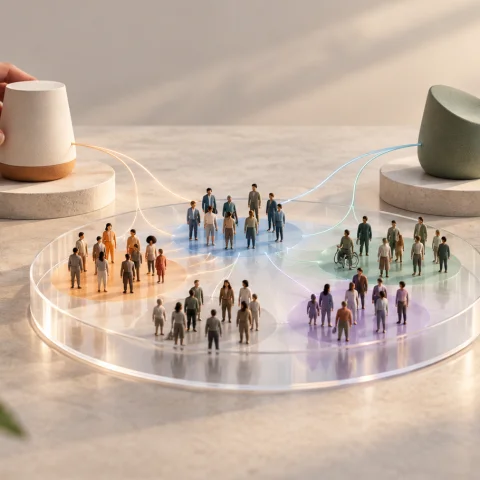
Plaud: from recorded conversations to notes that help at work
Get to know the Plaud ecosystem, which combines recording, transcription, and AI to organize conversations, summaries, and next steps.
Voices depend on your browser and device; some require internet access. Code blocks are not read aloud.
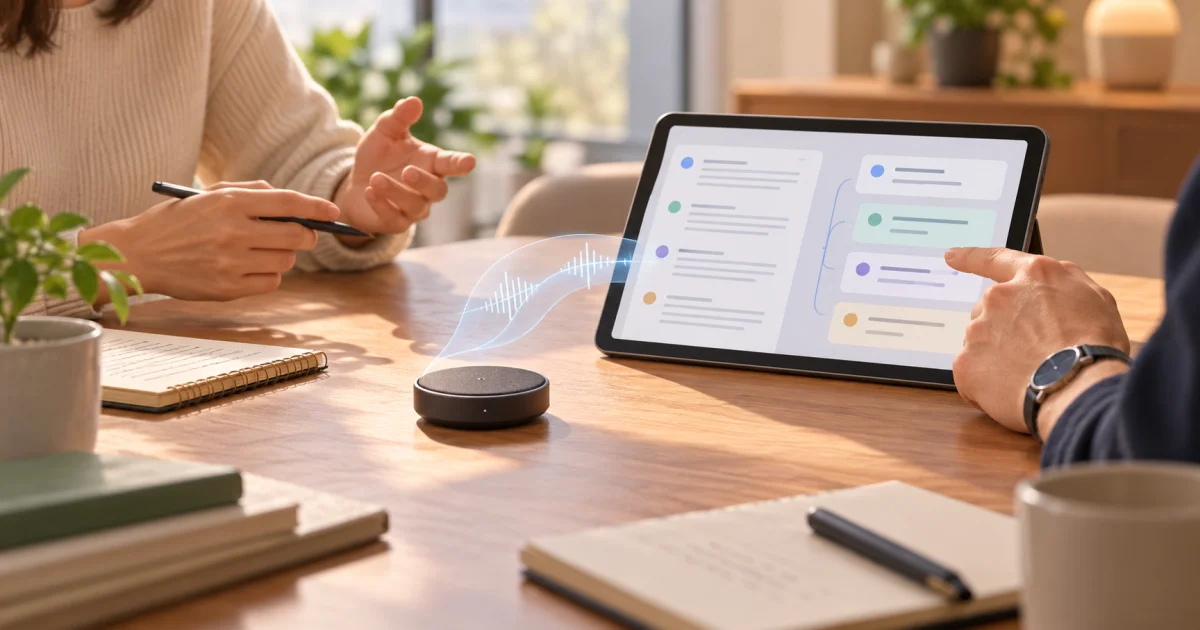
The meeting ends and that familiar question comes up: who is responsible for each task? Sometimes the answer is scattered across a quick note, someone's memory, and a long audio recording. Plaud works precisely with this material that comes from conversations.
The company brings together recording devices and apps to organize what has been captured. Its catalog includes products such as Plaud Note and NotePin, along with experiences on mobile, the web, and desktop. How you use it depends on the device and the recording situation. See the official ecosystem.
Audio becomes working material
On its Plaud Intelligence platform, the company presents transcription with speaker identification and summaries that highlight decisions and next steps. The current offering also includes a workspace with agents to work with this information and produce materials such as reports. Get to know Plaud Intelligence.
It is an application that is easy to picture: a long conversation can become a more organized reference to consult later. The content needs to remain faithful to what was said, especially when it involves names, dates, and responsibilities.
An example beyond the sales presentation
In an illustrative situation, imagine a small team discussing the launch of a service. During the meeting, ideas, outstanding issues, and changes of direction come up. Afterward, the person in charge of the project uses the transcript and summary as a starting point for reviewing decisions.
Before assigning tasks, they confirm who took on each activity and what was only a suggestion. This distinction matters: saying “we could deliver on Friday” does not mean that a Friday delivery was agreed upon.
The usefulness in this scenario would be in finding what needs attention and reconstructing the context with less back-and-forth. The final result still needs to be reviewed by someone who took part.
Why follow Plaud?
The project brings the capture of a conversation closer to the work that happens afterward. For people taking part in interviews, meetings, or project discussions, that process is often very concrete: record, locate, understand, and follow up.
When evaluating it, I would look at recording quality in the actual environment and the effort needed to correct the text. I would also compare the desired method of capture with the device and app available.
Another point is understanding the combination of equipment and AI service. Plans offer different terms and transcription limits, so it is worth checking the whole package before buying. Recording also needs to be agreed upon with participants, respecting the context of the conversation, as the company itself advises on its page.
The Plaud website lets you explore the devices and the platform. The question that helps with the decision is simple: do these notes really make it easier to act on what was discussed?
Information consulted in official sources on October 21, 2026.