Health at work: management, relationships and digital tools
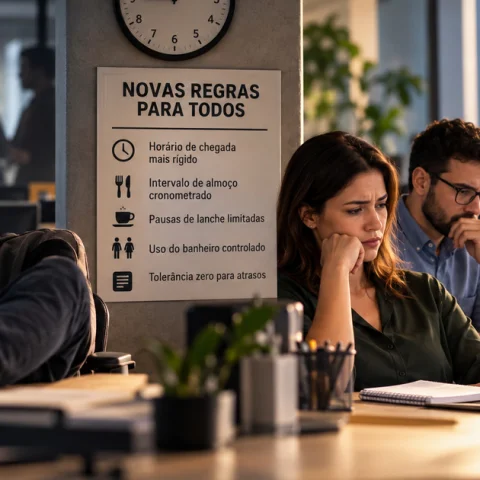
Maib RH’s material at fswk.rio brought people management into the health conversation. Workload, role clarity and leadership belong in the design too.
Voices depend on your browser and device; some require internet access. Code blocks are not read aloud.
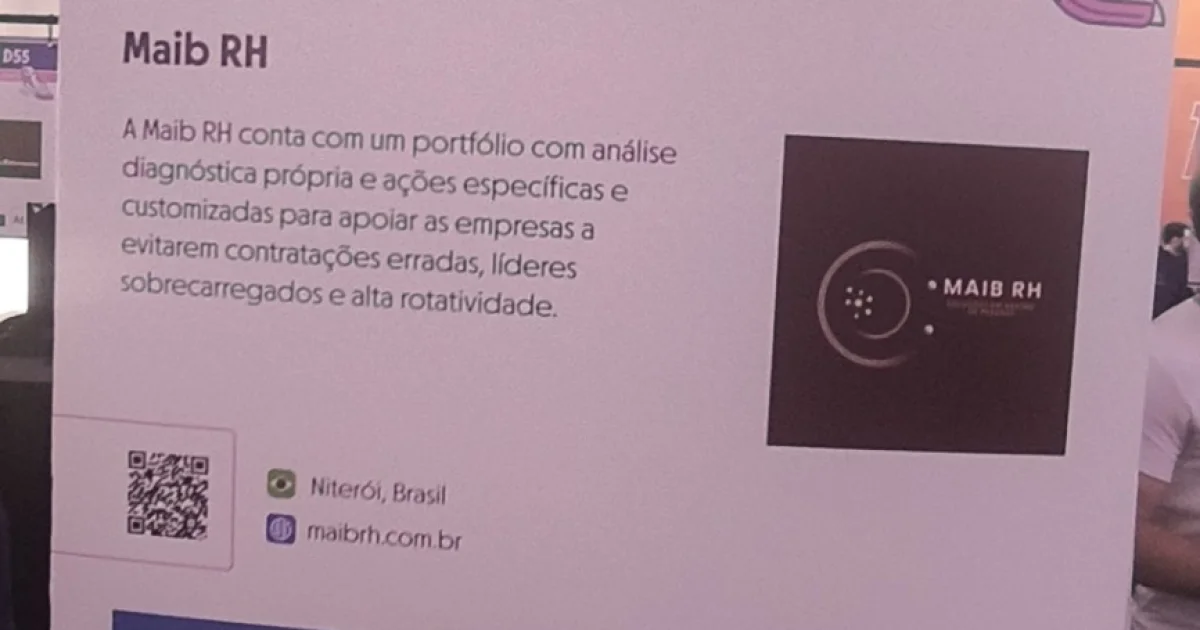
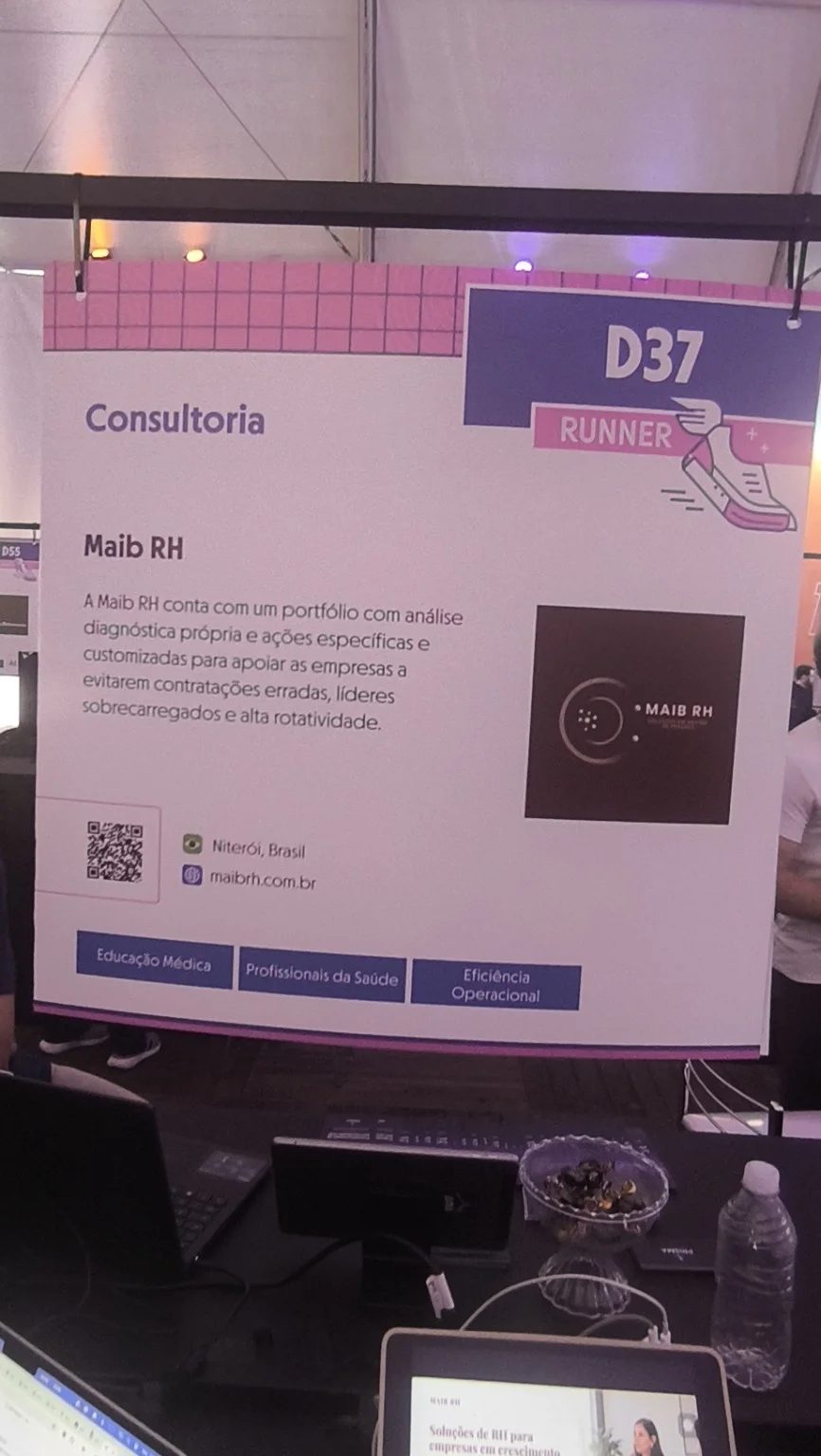
A packed schedule, tasks without an assigned owner and decisions that always depend on the same person can all be discussed in a management meeting. They also belong in the conversation about the conditions in which a team works. While looking at health solutions at fswk.rio on November 13, 2026, I encountered that intersection in Maib RH’s material.
The consulting firm’s panel mentioned recruitment, leadership overload and staff turnover. The Maib RH website lists organizational diagnosis, recruitment, training, role and pay structures, and executive mentoring. It is a people management proposal presented amid an event full of technologies.
My education in Administration and my development work make this intersection particularly interesting. A system organizes records and automates activities, but the rules it executes come from decisions about work, autonomy and responsibility. Those decisions deserve the same attention as the choice of tool.
Start with the conditions in which work happens
The WHO guidelines on mental health at work cover organizational interventions, manager and worker training, individual support and return to work. This scope helps frame the organization as part of the design of care.
I would start a team conversation with concrete situations: which demands arrive unexpectedly, where interruptions are frequent, which decisions get stuck and which priorities conflict. The aim would be to understand how work actually happens, including when it must work around an official procedure.
A survey can help raise these questions, provided there is willingness to discuss the result. Requesting feedback creates an expectation. Before distributing a form, management should be able to explain what it intends to do with the answers, how participants will be protected and when it will return to the subject.
Workload requires a capacity decision
Imagine a clinic reception desk in a hypothetical example. The same team serves people in person, responds to messages, resolves billing issues and rearranges additional appointments. Every task appears urgent, but nobody has defined which takes priority when they occur together.
In that situation, I would map the volume and distribution of demand, speak to those doing the work and negotiate service rules. Duties might need redistribution, particular tasks might need reserved time or the offered capacity might need revision. The conclusion depends on what the investigation finds.
A digital tool can support this work by displaying queues and pending tasks. Each alert, however, needs to lead to a possible decision. If the dashboard only says everything is late and the team cannot change priorities or request support, the system records a problem that still lacks an operational response.
Recruitment involves explaining the work that exists
The recruitment conversation can begin before selection. What work will be done? Which resources will be available? What autonomy will the person have? How will they be supported in the first weeks? Clear answers help align the vacancy with the experience the organization can actually deliver.
I would pay particular attention to onboarding. A plan can identify reference people, required access, initial activities and opportunities for questions. The system can remind everyone of pending steps; the team needs to reserve time to complete them.
When departures are frequent, I would avoid a single explanation. Conversations with those leaving, those staying and their managers may reveal different issues. A turnover figure is a starting point for investigation, rather than a complete description of working relationships.
Leadership needs room to act
Asking a manager to listen without giving them the ability to revisit deadlines, priorities or resources can create a frustrating conversation for everyone. I would make explicit which decisions they can take, which depend on another level and how a request reaches someone authorized to resolve it.
I would also include the manager’s own workload in the analysis. If all approvals pass through one person, organizational design deserves examination. Delegation, clear criteria and documentation can distribute decisions while keeping guidance available to the team.
In my previously published article on leadership, relationships with people occupy a central place. Here I add an operational question: what conditions does the organization provide for turning those relationships into consistent decisions throughout the week?
Data should help improve the environment
When considering people management tools, I would separate operational indicators from individual care information. Someone organizing a schedule needs to understand availability and capacity; that does not imply a need to access the contents of a personal conversation with a health professional.
This separation should guide permissions, reports and exports. In small teams, even an apparently aggregate report may identify someone through their role or a combination of details. I would therefore assess the content shared and its audience instead of relying on the label “anonymous report.”
Evaluation also needs to consider what changed after collection. Did a priority become clearer? Does the team now have a way to request support? Was an unnecessary step removed? These outcomes connect information to the everyday experience of working.
A management project needs to return to the team
Maib RH’s material was a useful reminder that health discussions include how we organize responsibilities and professional relationships. There is room for consulting, training and technology, with different contributions within that process.
For me, a consistent project ends each cycle by returning to people: what was heard, which change was chosen, who is following it and when it will be reviewed. This feedback allows course correction and shows that participation has consequences. A tool’s most concrete contribution may be helping keep that commitment alive in everyday work.