Between AI agents, robots and dogs: my view of fswk.rio
A visit to fswk.rio connects AI agents, governance, the SUS and PataE with questions about technology and everyday care.
Voices depend on your browser and device; some require internet access. Code blocks are not read aloud.
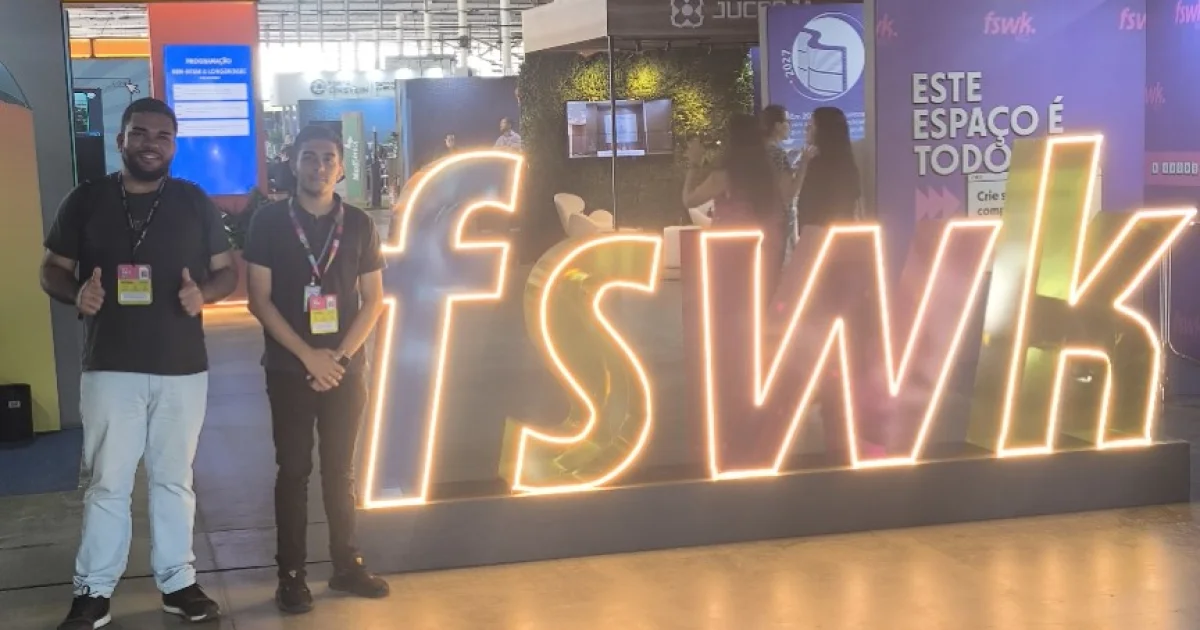
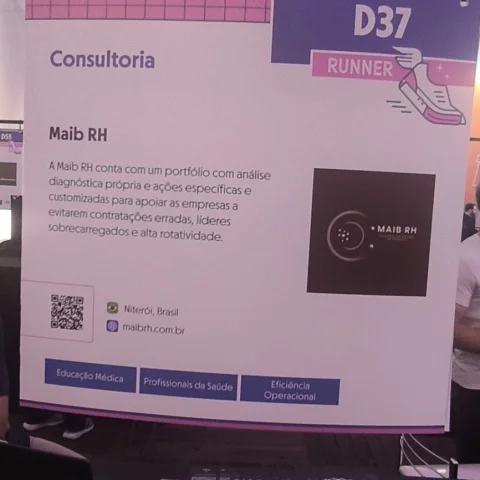
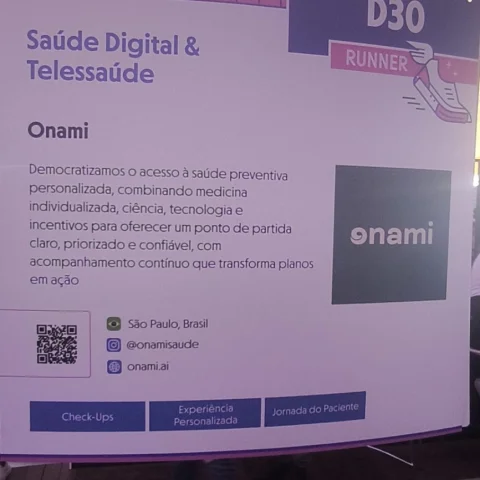
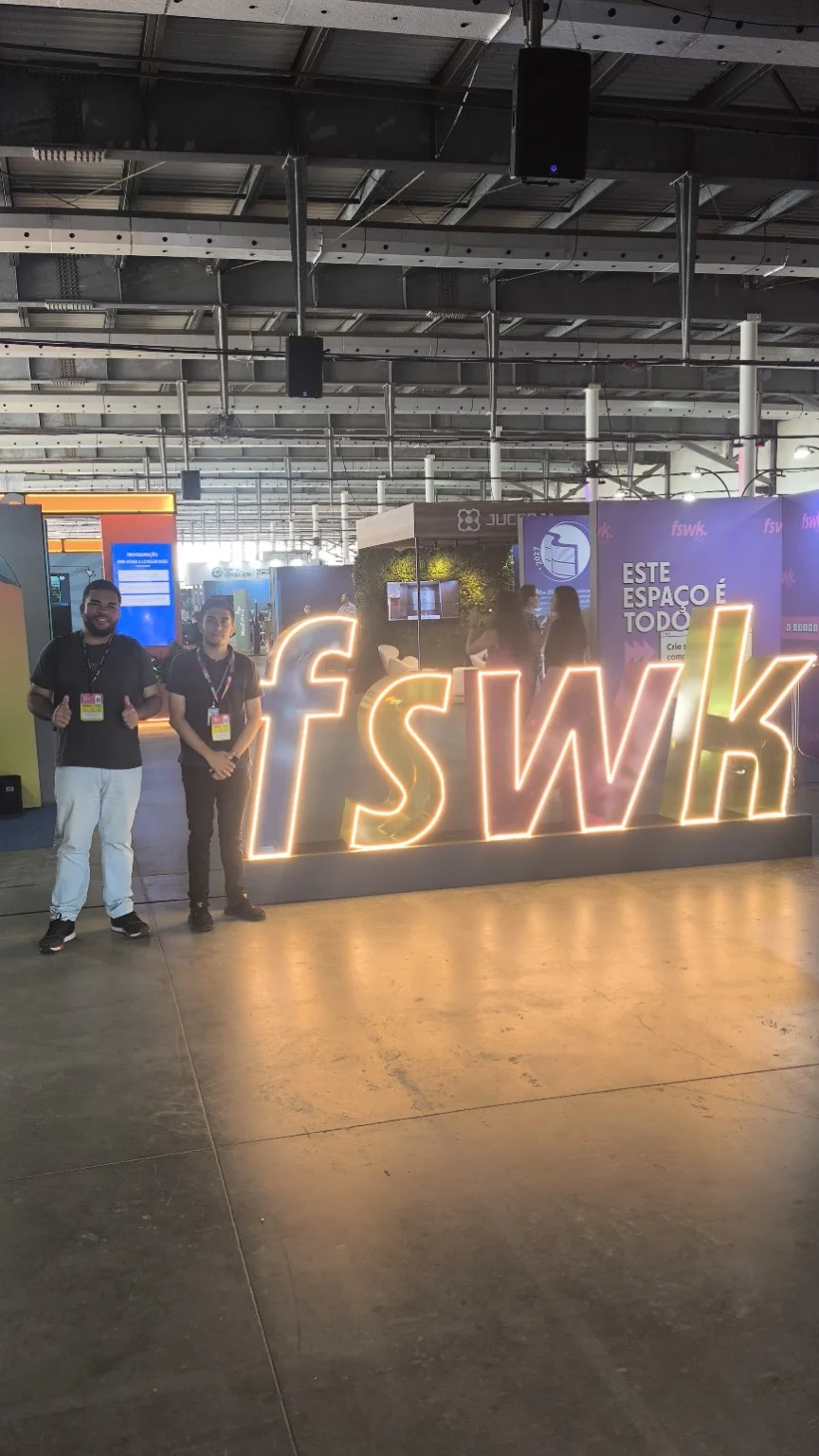
On November 13, 2026, I visited fswk.rio at Marina da Glória in Rio de Janeiro. I came back with photographs of panels, leaflets, booths, a robot moving around the event, and dogs at the PataE Academy stand. Reviewing this material, I found a question connecting seemingly distant experiences: what must we organize for a good idea to become part of everyday care?
My perspective comes from software development, business administration, and the products I build. I enjoy understanding the path between a proposal, the decisions needed to implement it, and what ultimately reaches the person using it. The event offered several starting points for that investigation.
A conversation needs to lead somewhere
In Clínico.ia's material, the assistant Cecília is presented as organizing a person's account before passing it to a professional. At the Senia and Chiko.ai displays, I found proposals involving communication and agents. CINCO presented connected devices and digital follow-up; Onami described personalized prevention.
These are exhibitors' presentations whose operating conditions still need examination. Viewed together, however, they help frame a useful product question: what happens after someone sends a message or records a measurement?
A friendly reply may be the first step. Information then needs organizing, someone needs responsibility for action, and there must be a way to follow the outcome. For developers, that means considering queues, permissions, corrections, and situations in which the workflow does not finish as expected.
Consider a hypothetical example: someone replies to a reminder, but the reply remains in a channel the team does not check. The system recorded engagement; the service lost context. That distinction offers a useful way to assess technology in any field.
Data needs a question and an owner
The materials from Cubo Health and Vecthos Health introduced another thread: combining information to support decisions. This connects with my interest in public data and systems that help people understand territories and operations.
Before choosing a chart, I would ask which decision it should support. Before joining two datasets, I would check what each record represents. Before automating a recommendation, I would establish who examines inconsistencies.
A dashboard might show few care records in a particular area. Several explanations would need investigation: insufficient services, access difficulties, reporting delays, or different recording practices. This is an illustrative example, but it shows why a polished visualization needs context.
The same concern applies to numbers displayed in AI demonstrations. I want to know which task was assessed, how errors were examined, and what the result means in the setting where the tool will be used.
Governance and access are part of the product
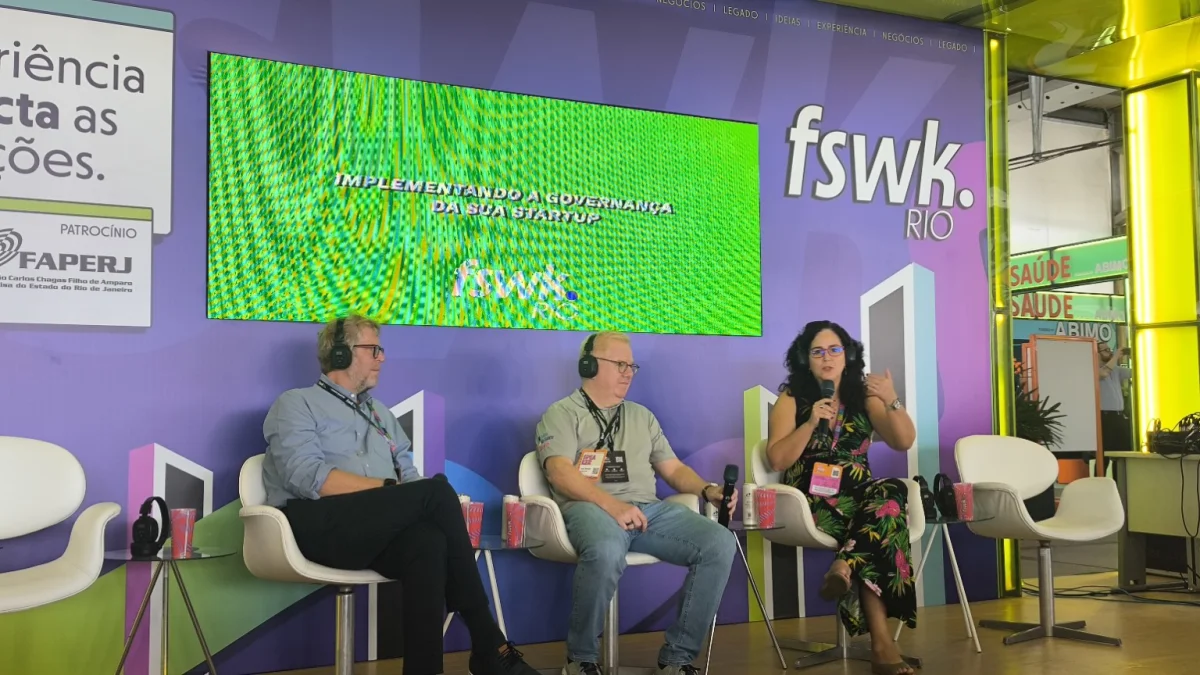
I photographed two panels whose subjects help organize these questions: implementing startup governance and the journey from innovation to Brazil's public health system, the SUS. Both also appear in the official event program.
The first topic takes me inside an organization: priorities, responsibilities, records, and commitments. The second broadens the scope to research, institutions, funding, assessment, and public access.
As a developer, I find it useful to keep these questions close to system architecture. An access rule depends on a decision about responsibility. A response deadline depends on operating capacity. An integration depends on agreements between teams. Code is part of an arrangement that needs to keep working after the demonstration ends.
Meeting PataE and the questions it raises for DeuPet
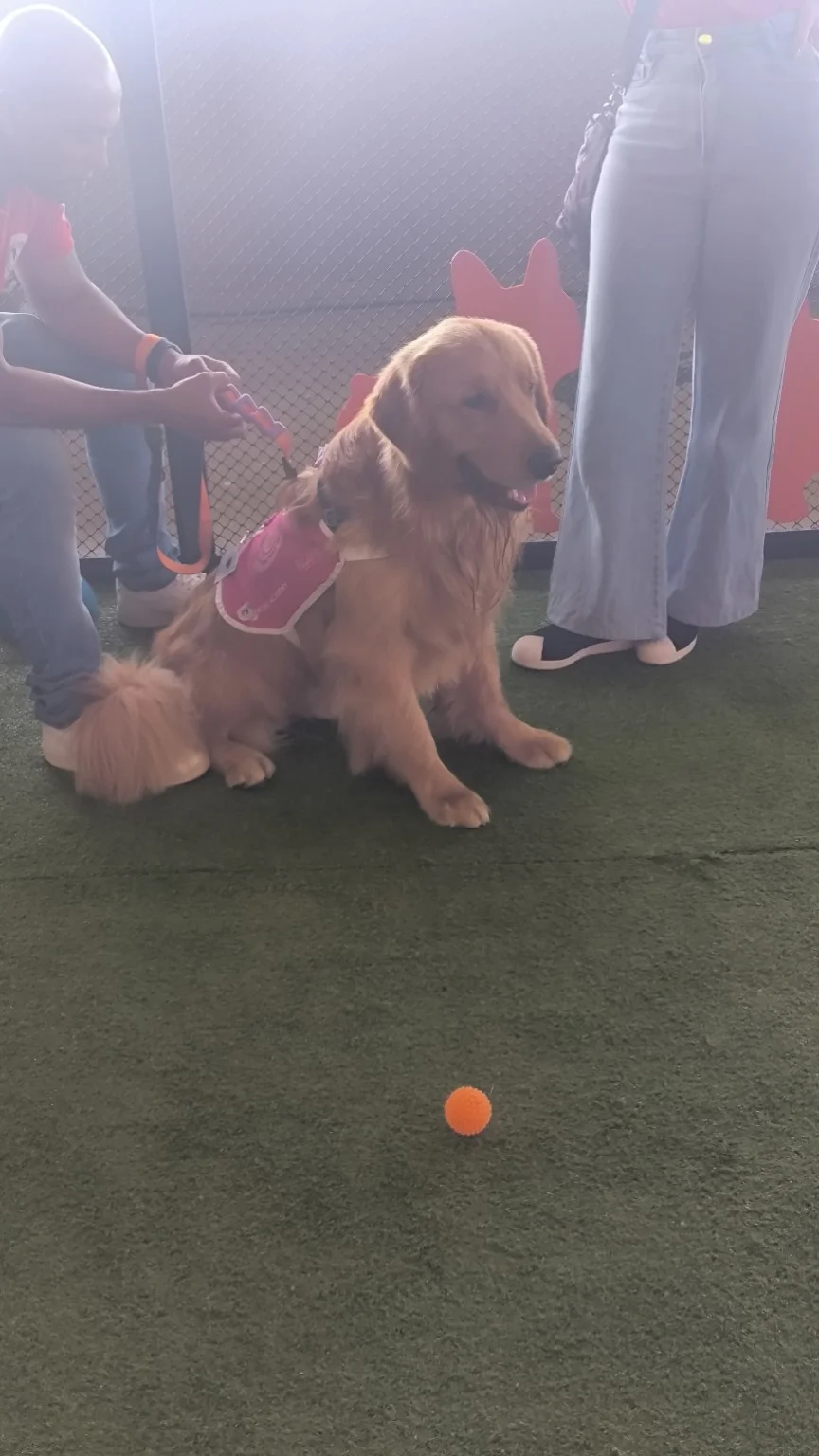
The dogs in my photographs were at the PataE Academy stand. The organization presents work and training in animal-assisted services, with attention to relationships and animal sentience. Learning about this approach brought a connection to DeuPet, my responsible adoption project.
The connection I see concerns the relationship being built. A platform can help someone discover an animal and contact the person responsible for it. It can also help them understand needs, prepare an introduction, and seek guidance during the adjustment period. These product decisions deserve as much attention as visual presentation.
This reflection does not announce a partnership between the projects. It identifies an opportunity to learn: designing an experience around both the people and the animals involved, with their own needs and limits.
A record for further investigation
The robot carrying the NowPro.ai brand stands out in the images. I recorded its movements on video, but a photograph does not reveal its architecture or demonstrate a clinical function. It opens another investigation: which tasks could a machine's physical presence help perform, and how should that contribution be assessed?
I want to bring the same curiosity to the other subjects in this series. There is room to examine agents, privacy, accessibility, management, evidence, and care relationships, starting with my records and using specific sources to explore each topic.
The visit is the beginning of that work. The standard I intend to carry forward is practical: understand the problem, follow the solution's journey, and ask how those responsible recognize and correct what does not work.
Sources and references
- fswk.rio — event program.
- PataE Academy — institutional presentation.
- DeuPet — responsible adoption project.
- Photographs and exhibitor materials recorded by the author on November 13, 2026. Commercial proposals cited here are not independent performance tests.