AI agents in clinics: context, integration and the human handover
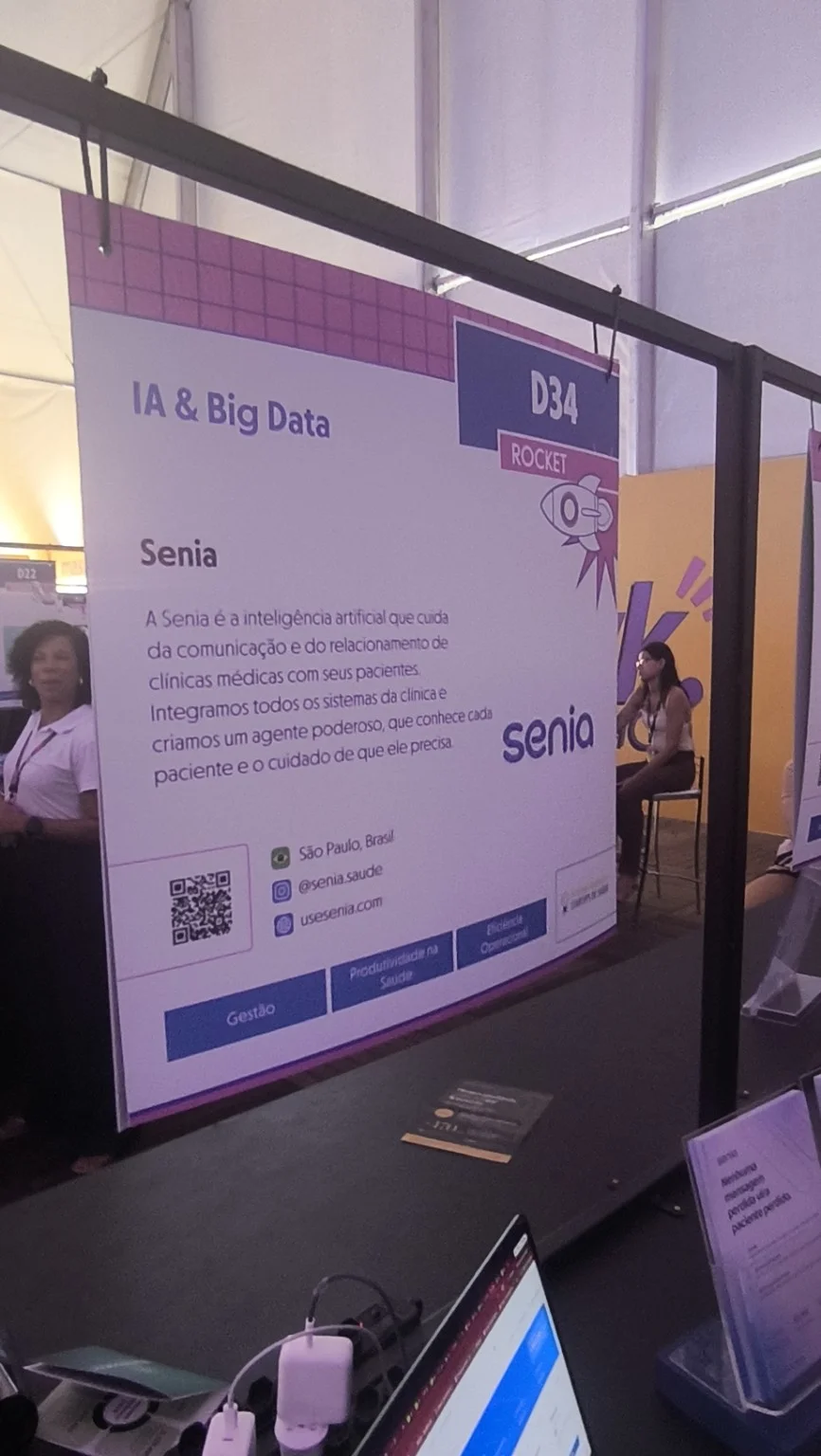
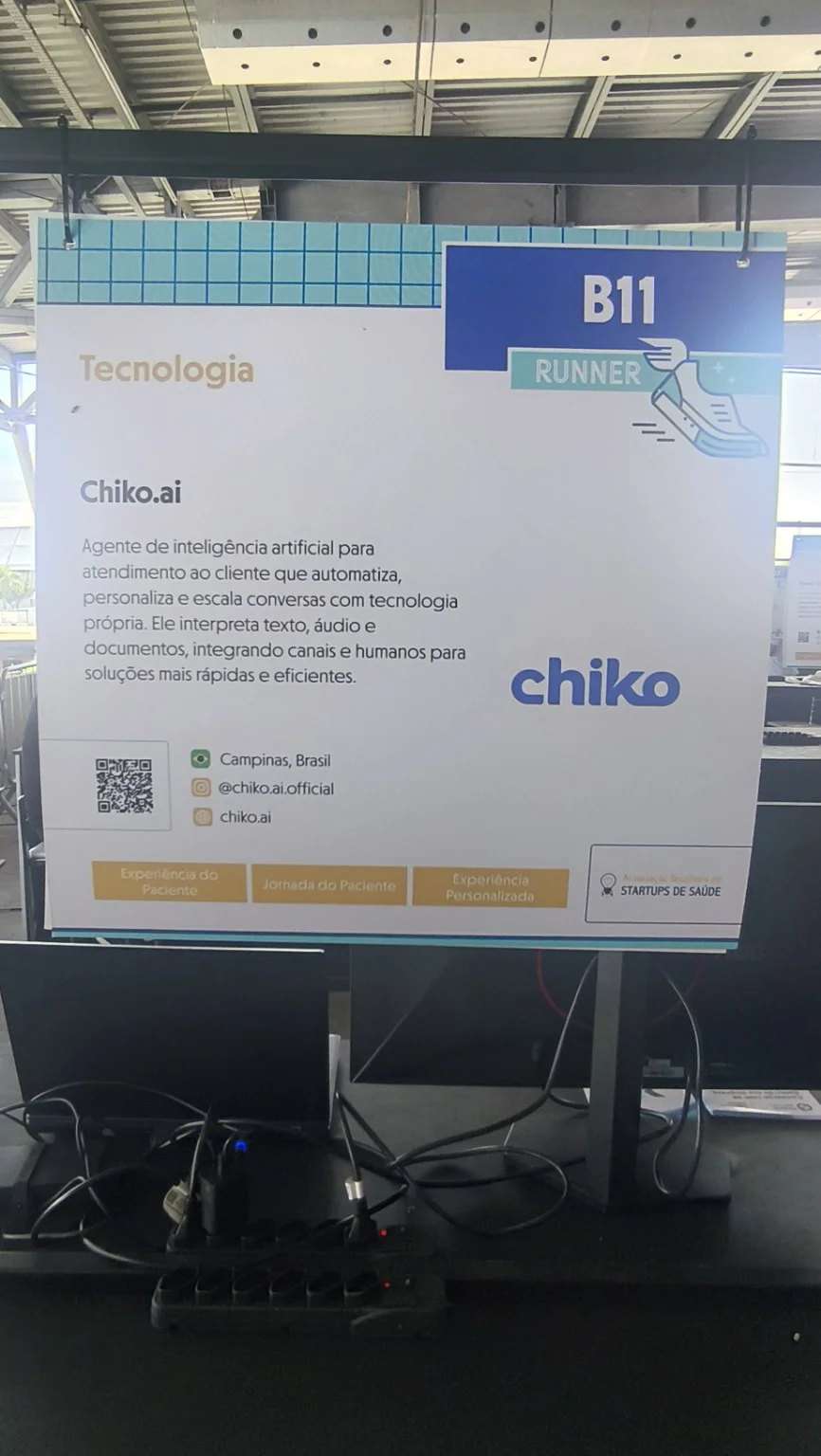
Senia and Chiko.ai featured in my visit to fswk.rio. Their proposals help examine what changes when a conversation can execute actions in a clinic’s workflow.
Voices depend on your browser and device; some require internet access. Code blocks are not read aloud.
A clinic may receive a simple question on WhatsApp and need several systems to answer it. Is there an appointment available? Does the professional work at that location? Does the procedure require specific preparation? Is the person trying to cancel, or simply understand the alternatives?
At fswk.rio on November 13, 2026, material from Senia and Chiko.ai provided a starting point for thinking about this problem. It matters to software developers because conversation is also becoming an interface for executing tasks.
Conversation meets the management system
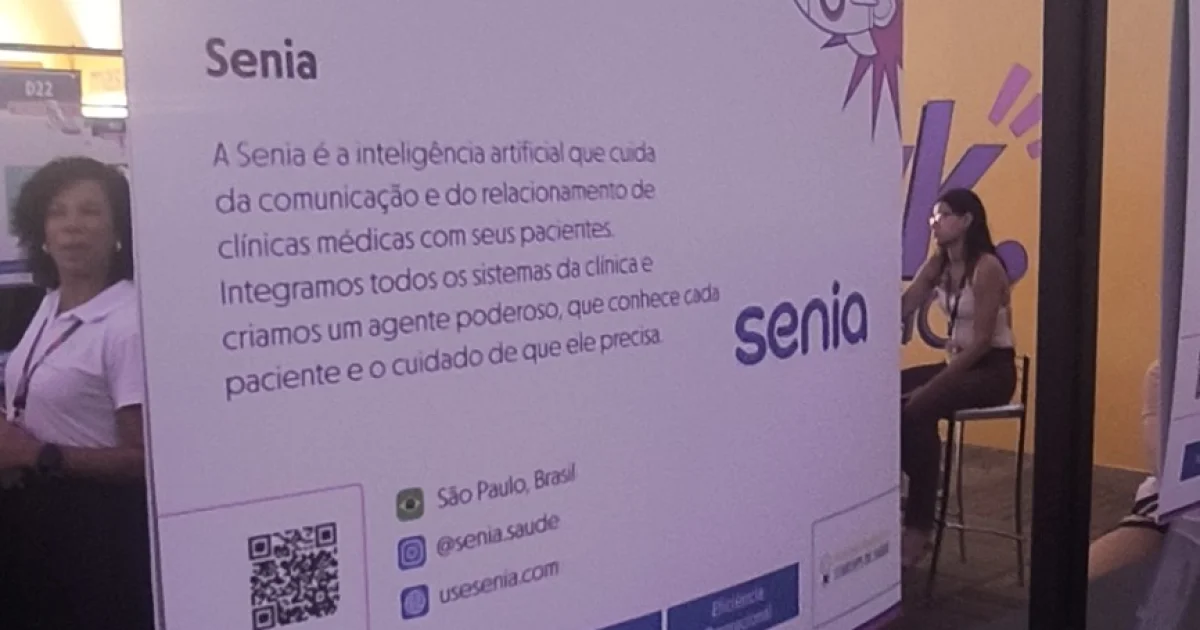
Senia presents service, appointment booking and follow-up through WhatsApp, with connections to clinic systems and the ability for staff to take over a conversation. Chiko describes an agent that interacts with patients and performs service tasks. These are supplier proposals; my event visit was not an integration audit.
The product implication matters: a response may change someone’s schedule. Evaluating only whether the language sounds natural leaves a significant part of the work unexplored. The outcome must also be examined in the system that records the operation.
In a hypothetical example, two people might request the last available appointment at the same time. “Appointment confirmed” should appear only after the scheduling system confirms the reservation. The conversational interface must observe the same consistency required of any other channel.
Useful context has an origin and a shelf life
An agent may need information about schedules, locations, professionals and administrative rules. I would organize that information by origin, update date and responsible owner. An outdated opening-hours document should not override the current schedule without the conflict being noticed.
I would also distinguish ongoing rules from temporary circumstances. The usual appointment length is a rule; a professional’s absence on a particular morning is an exception. If everything is treated as loose reference text, the team will struggle to correct a rule and understand where it is used.
A good integration demonstration includes changes. During an evaluation, I would request a change to a fictional rule and observe when it takes effect. That reveals more about operations than repeating a prepared conversation.
Permission to read is different from permission to change
In the architecture I would choose, checking availability and cancelling appointments would be separate capabilities. Each action would have a defined scope, identification requirements and a recorded outcome. The agent’s response would need to reflect what its tool actually executed.
Consider a connection failure after a rescheduling request. Before repeating the operation, the system should check whether it already happened. This is a transactional design question: a duplicated attempt must not turn one intention into two changes.
These examples describe criteria I would bring to an evaluation of any provider. They do not establish faults in Senia or Chiko. They are ways to examine behaviour beyond the path where everything works on the first attempt.
The person taking over needs the story
A well-designed handover gives staff the current request, information already supplied, actions already taken and outstanding questions. The user also needs to know that responsibility has changed. I would avoid making someone repeat the entire conversation simply because a different person is handling it.
Practical decisions are involved: who receives the queue, how someone claims a case and how simultaneous responses from the agent and staff are prevented. Administrative matters must also be distinguished from requests requiring professional assessment.
Success criteria should follow the purpose of the service. Closing many conversations may conceal abandoned requests. I would measure correctly completed tasks, necessary corrections, recovered pending requests and the user’s understanding of the next step.
Privacy must follow the integration
Senia’s privacy page identifies parties involved in data processing and connected systems. Documentation of this kind helps formulate concrete questions about information flows, although its existence does not replace assessment of the contracted operation.
I would start with the data needed for each task. Checking availability does not automatically require access to someone’s full history. Permission design should reflect that difference, including the records that support staff can view.
For me, the most interesting part of these agents is coordination: conversation, rules, systems and people need to agree on what happened. When that coordination works, users receive clear responses and staff can follow, correct and maintain the operation.
Sources and further reading
- Senia: platform overview.
- Senia: privacy and data protection.
- Chiko: agent overview.
- Exhibitor materials photographed by the author at fswk.rio on November 13, 2026.