Animal welfare in assisted services: care in both directions
A declaration photographed at fswk.rio raises questions about participation, breaks, communication and responsibility toward animals.
Voices depend on your browser and device; some require internet access. Code blocks are not read aloud.
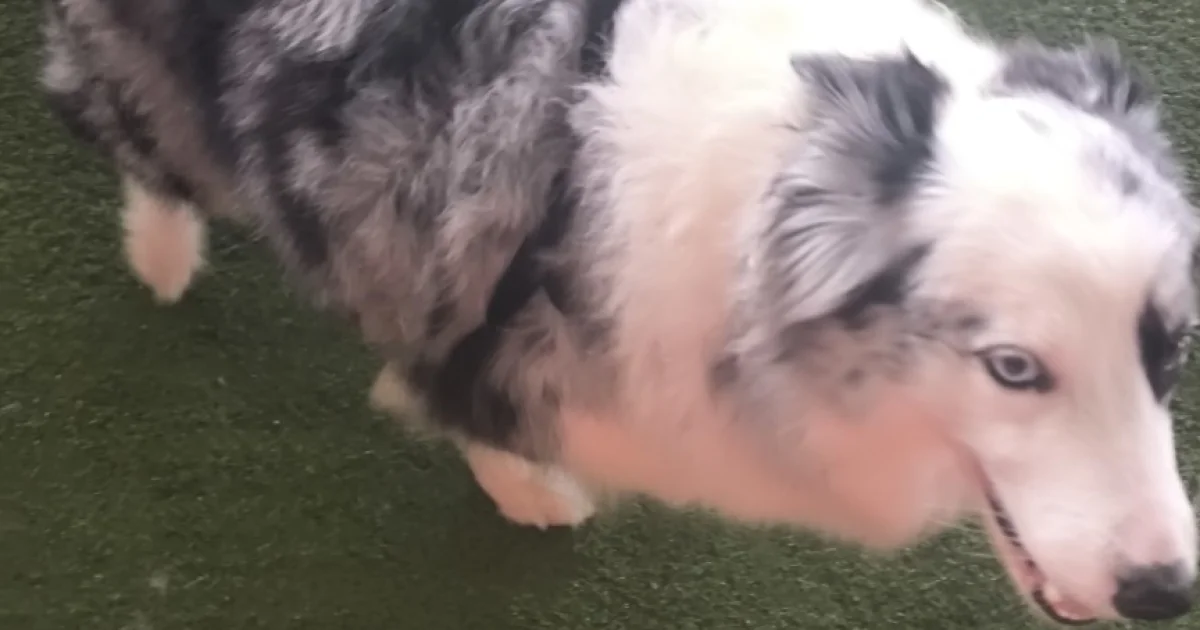
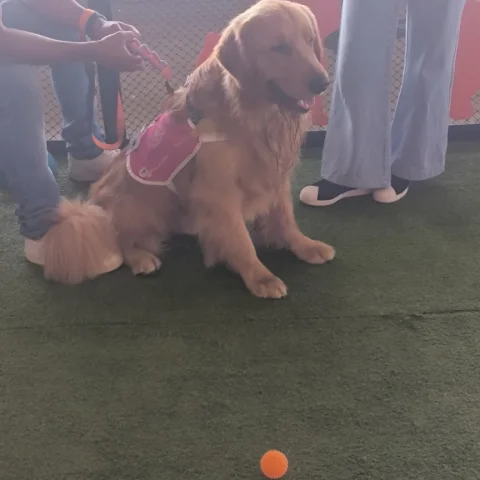
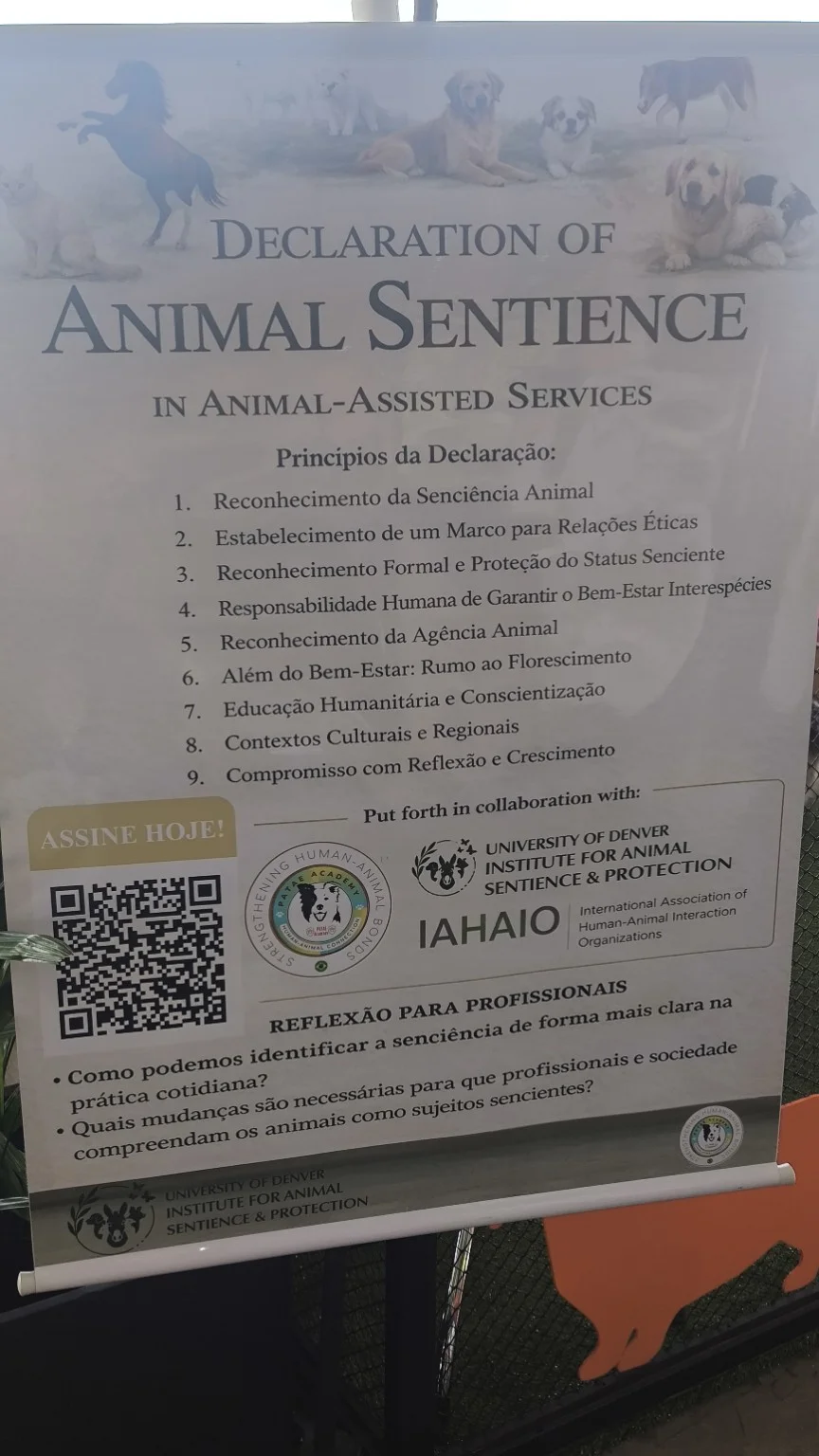
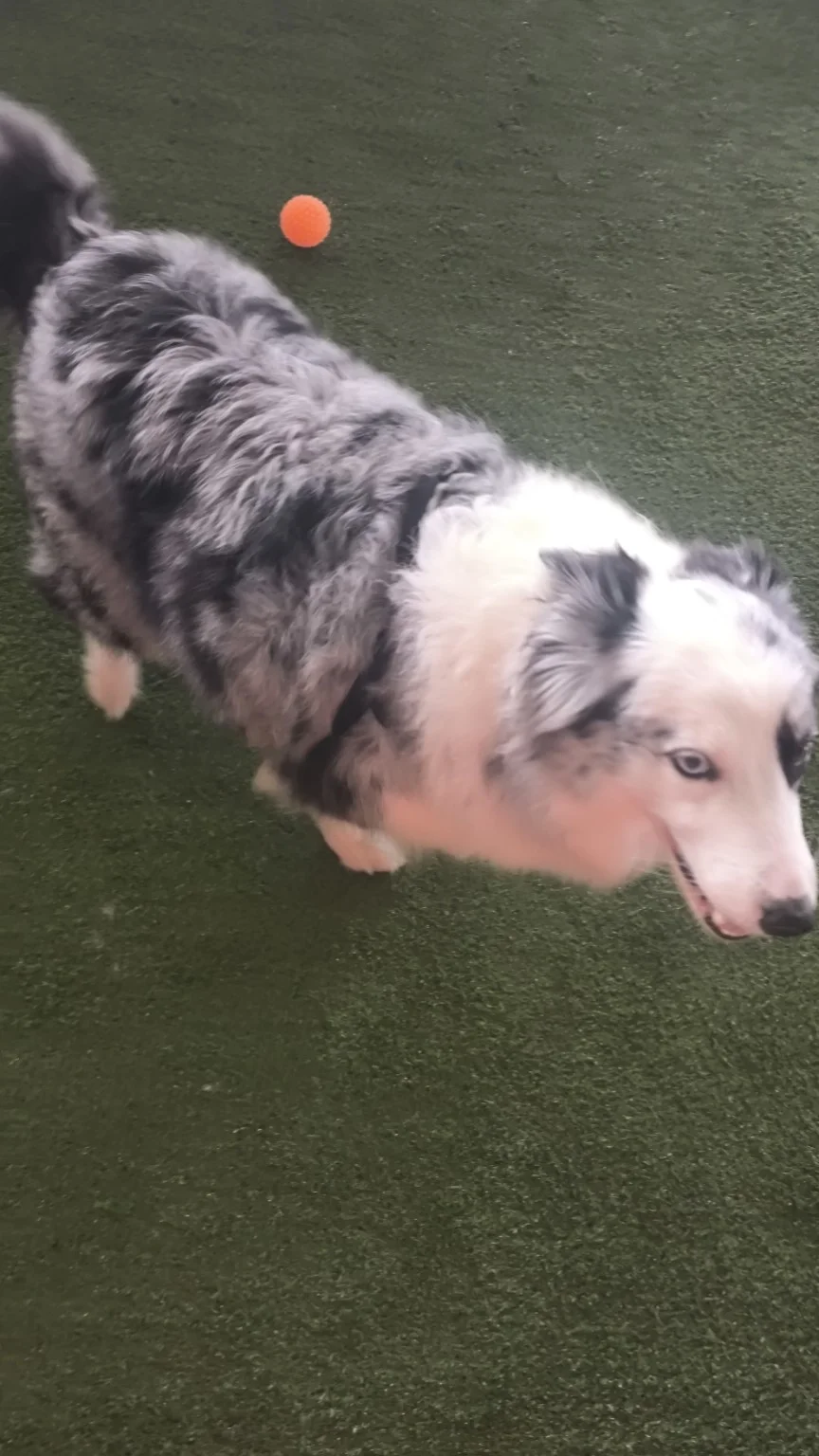
One of the images I brought back from fswk.rio shows a declaration on animal sentience. Together with my photographs of the dogs at PataE Academy, it prompted a practical question: how can an activity be organized so that care also reaches the animal taking part?
The question matters to service providers, hosts, and those communicating about the activity. It also offers a useful reflection for products that bring people and animals together. Taking their needs seriously means examining choices made before, during, and after an encounter.
A principle that changes what we observe
The Declaration of Animal Sentience in Animal-Assisted Services, presented by IAHAIO in collaboration with a University of Denver institute, advocates considering animals' preferences, experiences, and opportunity to withdraw. It is an ethical reference for the field, rather than automatic certification of any activity mentioning it.
For my reflection, the starting point is recognizing that audience satisfaction does not describe the whole experience. An appealing photograph captures an instant. Understanding the activity would require knowing what happened beforehand, how the animal was accompanied, and what choices were available in that environment.
That change of question matters. Instead of looking only for an image of participation, we can investigate the conditions that made participation possible. The focus expands to include the space's organization and the decisions made by those accompanying the animal.
Planning a break before it is needed
Consider a hypothetical example: a team organizes encounters at an event. Planning could include a reserved area, flexible timing, and someone responsible for adjusting the activity. This makes a break a planned option rather than an improvised exit in front of an audience.
I would want to understand who has authority to interrupt the encounter and how that decision is communicated. If an organizer promises a rigid duration, how can they accommodate change? If several people are waiting, how is a suitable environment maintained? These questions are a service-design exercise, not an assessment of the stand I photographed.
The same reasoning applies to advertising. Communication promising guaranteed interaction can create expectations that are difficult to reconcile with an activity needing flexibility. The public description should allow responsible people to make adjustments without appearing to abandon the encounter's purpose.
The person who knows the animal needs a voice
A visitor observes a short part of the experience. The person accompanying the animal knows other moments and can put events in context. I consider it important for that perspective to have a place in the organization alongside the relevant professional and institutional responsibilities.
That does not turn every informal interpretation into a specialist assessment. It means recognizing the limits of an isolated observation and consulting the responsible person when questions arise. A team can agree beforehand on how to receive information, revise plans, and record relevant changes.
I see a useful parallel in digital products: an interface needs a real way to record exceptions. If everything forces a user to select “completed,” situations in which the best decision was to postpone, adapt, or end disappear. The way states are described influences what the organization can understand later.
Communication is also part of care
Photographs and videos can introduce an initiative to a wider audience. It is therefore worth considering how they will be produced: at which moments, with what authorization, and without requiring an interaction to be repeated simply to obtain a better image.
As an author, I aim to describe what the record supports. I can identify the stand I visited and the organization presented. Assigning a name, activity, or history to a dog requires corresponding information. That discipline prevents an image from becoming an unconfirmed story.
I also prefer accounts that explain the process. Learning how an activity was prepared can help readers understand the work involved. Responsible communication leaves room for decisions, adjustments, and limits, as well as visually memorable moments.
What this brings to an adoption platform
In DeuPet, the reflection applies to a different setting: an encounter between someone hoping to adopt and an animal needing a home. I am considering features and educational material that help people understand needs, prepare expectations, and respect the adjustment period.
One possible piece of content would explain how to prepare a conversation with the animal's current caretaker before meeting. Another would encourage observations to be recorded with context: when they occurred, in which setting, and who was present. These are development proposals, not announcements of finished features.
The principle I take from the declaration is an invitation to make animals' needs part of decisions. In practice, that requires responsible people, useful information, and freedom to change the plan. A well-organized experience must be able to recognize when to continue, adapt, or stop.
Sources and further reading
- IAHAIO and University of Denver Institute for Animal Sentience and Protection — declaration.
- PataE Academy — institutional presentation.
- DeuPet.
- Author's photographs at fswk.rio. Operational examples are reflection exercises, not an audit of exhibitors.