One Health: people, animals and the environment in the same conversation
One Health helps frame collaboration, data and responsibilities across fields, with reflections for DeuPet.
Voices depend on your browser and device; some require internet access. Code blocks are not read aloud.

The expression One Health was among the subjects that caught my attention while learning about PataE Academy's presentation. It also broadens a question I ask when developing DeuPet: how can we think about animal care within the relationships and environments where people and animals live?
One Health is a way of organizing that perspective. The World Health Organization describes it as an integrated approach to the health of people, animals, plants, and ecosystems. It involves collaboration between fields that need to understand connected problems.
For me, the interest lies in translating this perspective into project decisions. Who needs to join a conversation? Which information should circulate? What outcome can be observed? Where does a platform's capacity end and a specialist team's responsibility begin?
Including the environment changes the question
Focusing only on individual care can leave surrounding everyday conditions out of the discussion. One Health invites examination of those relationships. In FAO's presentation, food systems, animals, plants, and the environment are part of this collaborative field.
That does not mean every interaction between a person and an animal is, by itself, a One Health program. A project needs to explain the problem it intends to address, the fields involved, and how they will work together.
I would begin with a concrete description. Rather than announce a platform capable of handling everything, I would choose a defined need and identify the knowledge the team lacks. That choice helps establish a contribution that can be assessed.
A hypothetical example of local coordination
Imagine an entirely hypothetical situation: after a climate-related event, a municipality needs to organize information about families, animals, and available shelter spaces. The teams have different responsibilities but need to coordinate certain decisions.
A system could help record requests, identify responsible people, and track actions. To be useful, it would need to distinguish a received request from verified information and a completed action. It would also have to handle changing availability and conditions for accessing information.
This example does not describe an existing operation or prescribe an emergency protocol. It shows how a problem can cross professional boundaries without erasing responsibilities. A shared dashboard helps when everyone understands their task and knows whom to consult when questions arise.
Sharing information requires a defined purpose
Cross-sector collaboration may suggest gathering all data in one place. I prefer to start with the decision that needs to be made. Does a team need a person's identity, a count by area, or simply confirmation that a request is pending?
In the hypothetical example, information useful to operations does not necessarily belong on a public map. An aggregated view could support general communication while details remain available only to people with a defined task. Architecture should reflect that distinction.
I also consider it important to record where information came from and when. A reported address, a checked location, and confirmed availability represent different situations. Presenting them as equivalent can convey confidence the records do not yet justify.
These decisions connect One Health with familiar development concerns: data modeling, permissions, updates, and traceability. Technology can support coordination when teams have agreed on what their information means.
Collaborating while preserving expertise
A product can organize documents, remind someone of a step, or help responsible people get in touch. Assessments requiring professional expertise still need someone qualified to make them. I would therefore clarify the handoffs between information, analysis, and decision.
In a partnership project, I would first record who receives each request, under which conditions they can respond, and how they communicate a limitation. I would also agree on how guidance is updated and changes announced. This makes cooperation more concrete than a collection of logos on a homepage.
Planning needs to consider continuity. If an organization stops participating, who reviews contacts and content? If guidance changes, how does the earlier version stop circulating? These maintenance questions deserve attention from the beginning.
A possible contribution through DeuPet
For DeuPet, the closest application concerns responsible adoption, educational resources for prospective adopters, and access to appropriate guidance. I see opportunities to learn from professionals and organizations about needs a platform can help explain.
These possibilities require a clear scope. An educational page, a directory of local resources, and clinical management software have different purposes. Calling a proposal integrated requires explaining how its parts connect, which information circulates, and who is responsible for each service.
I would also want to assess the contribution in understandable terms: did people find the right contact? Was the guidance current? Did the information help prepare the next step? These are service-quality questions, without assuming an unstudied health outcome.
What I take from One Health into my projects is a discipline of examining relationships. Before automating a step, understand who participates, in which environment, and with what responsibilities. A small, clearly defined contribution can help a network work better.
Sources and further reading
- WHO — One Health fact sheet, May 8, 2026.
- FAO — One Health definition and approach.
- DeuPet.
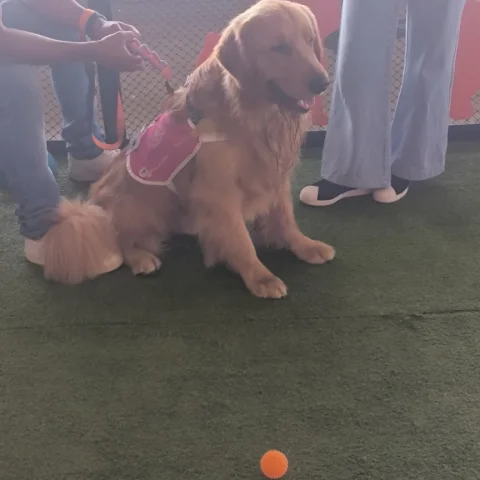
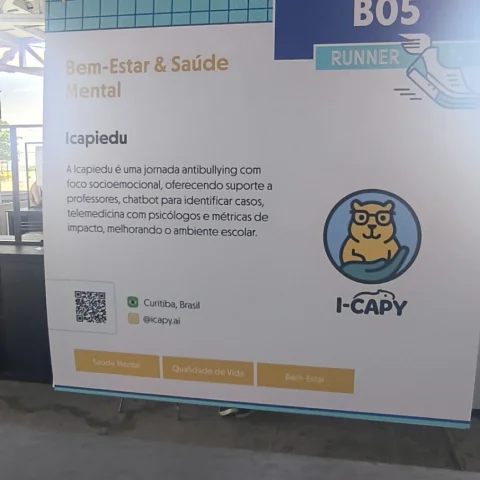
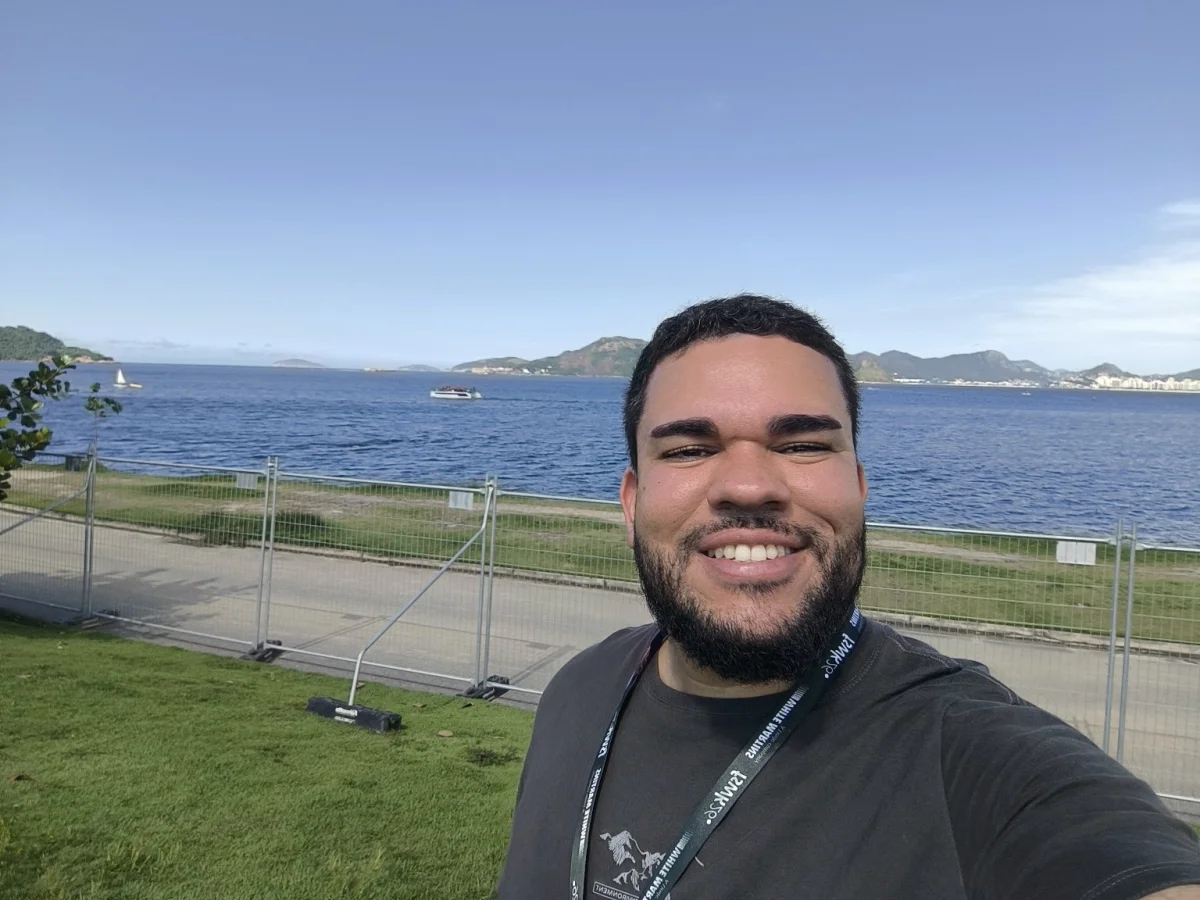
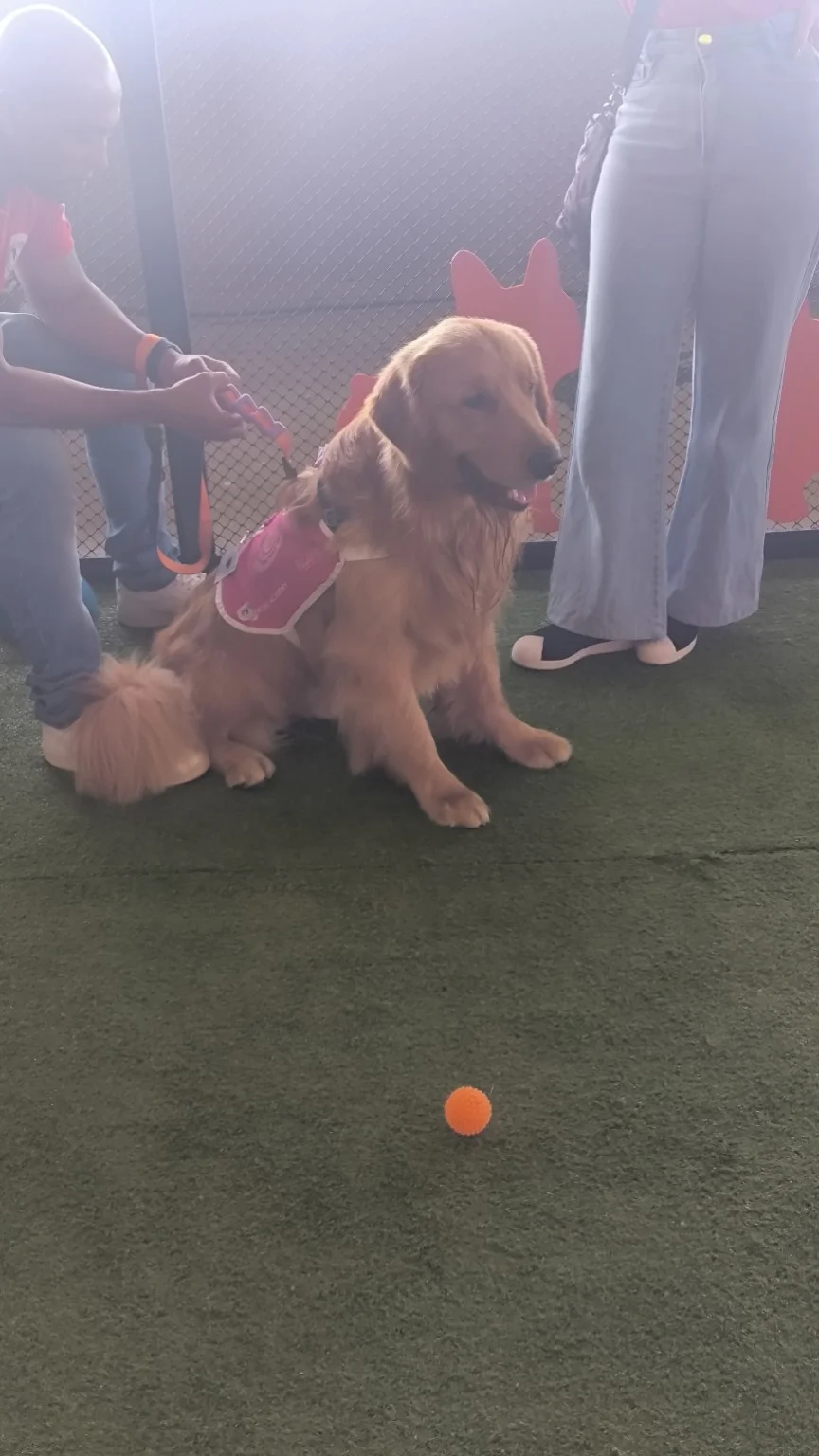
- Author's photographs at fswk.rio. Operational scenarios and product possibilities are original illustrative examples.