PataE Academy: preparation, relationships and care in animal-assisted services
A visit to PataE at fswk.rio prompts reflection on preparation, aims and responsibilities in animal-assisted services.
Voices depend on your browser and device; some require internet access. Code blocks are not read aloud.
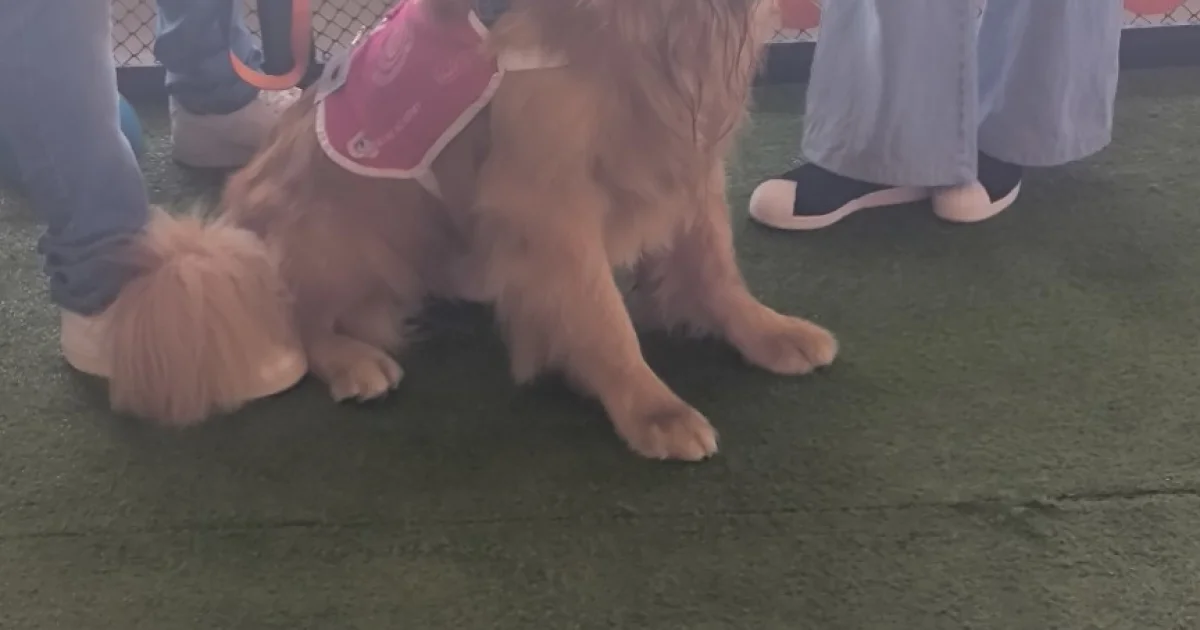
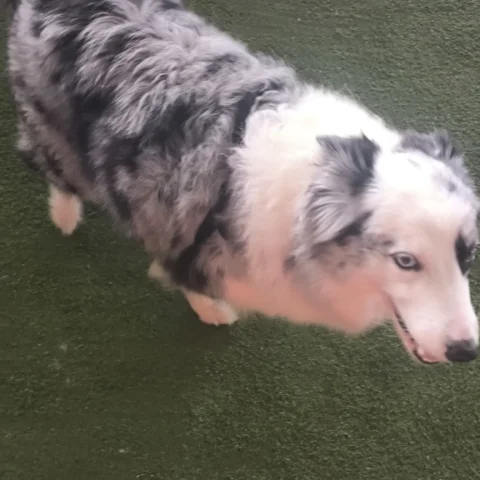
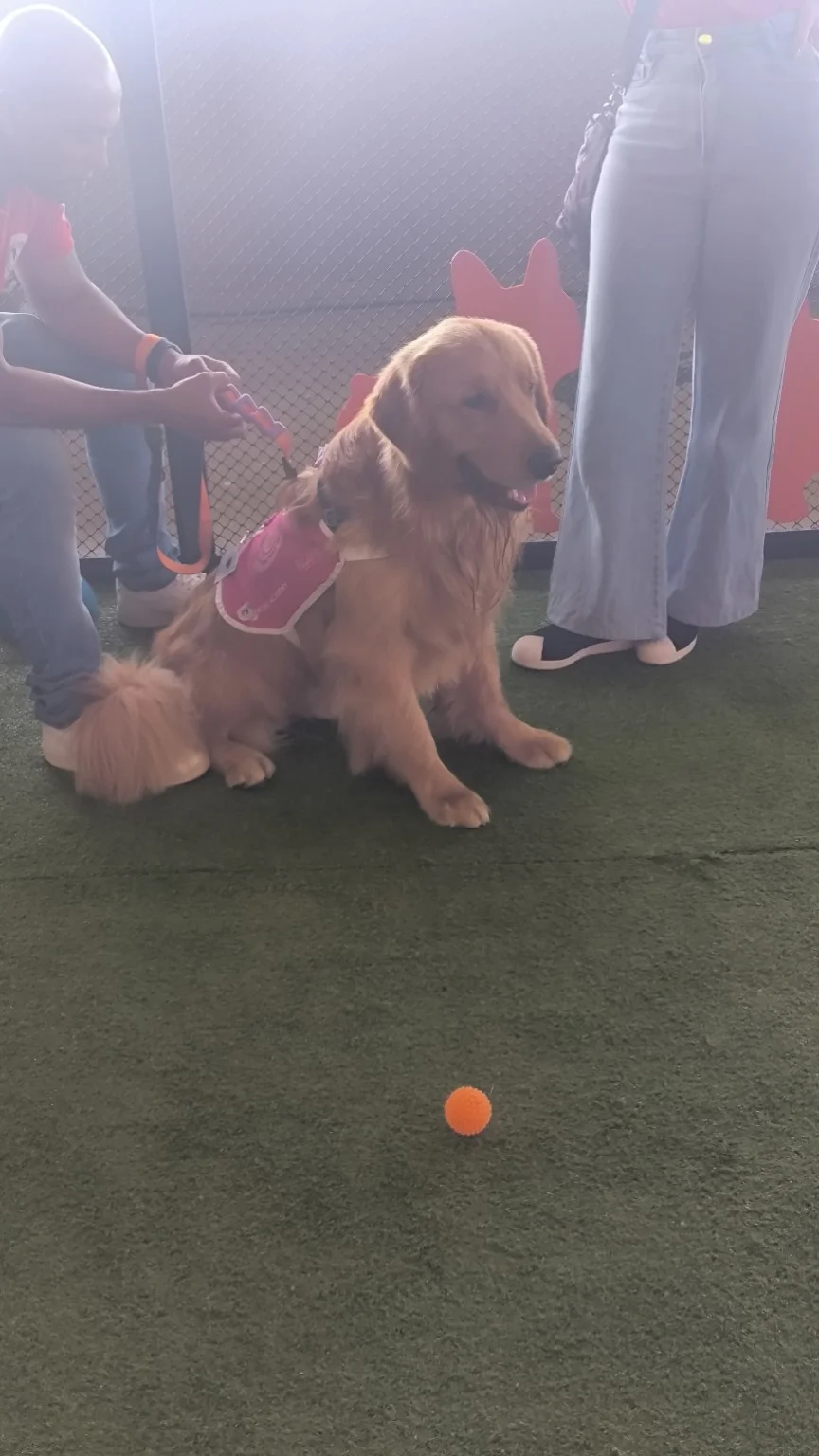
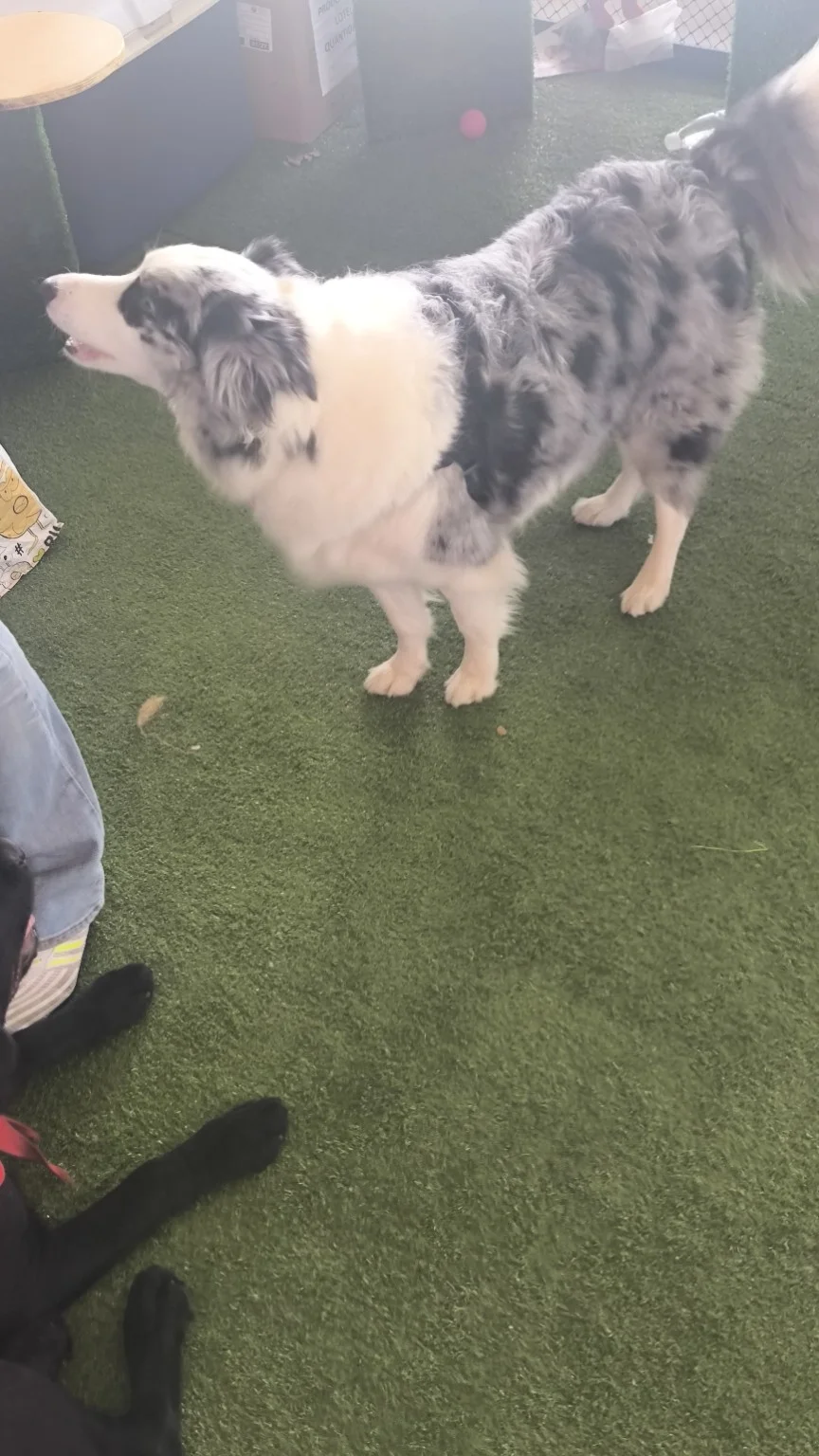
The dogs I photographed at fswk.rio were at the PataE Academy stand. The visit gave me a starting point for learning about work in which relationships between people and animals become part of organized care, education, and support activities. Understanding that approach also means looking at the preparation that makes an encounter possible.
When developing a service, an experience lasting a few minutes may depend on decisions made much earlier: who takes part, how the environment is prepared, what responsibilities exist, and what happens when someone needs to stop. This perspective helps frame better questions about PataE's work.
Understanding the organization through its presentation
In its institutional presentation, PataE Academy identifies Emi Parente as its founder and connects Programa Alice with training and practice in animal-assisted services. Health, education, inclusion, and sentience are among the areas the organization describes.
This establishes its stated scope without assuming every activity is the same. Training, a program within an institution, and participation in an event may have different aims and conditions. Understanding a particular activity requires knowing which service is being provided and who is responsible for it.
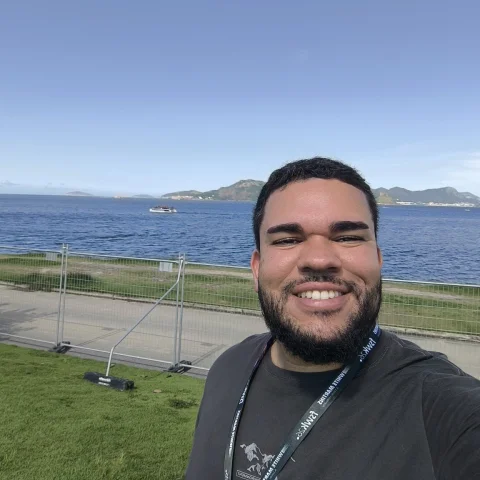
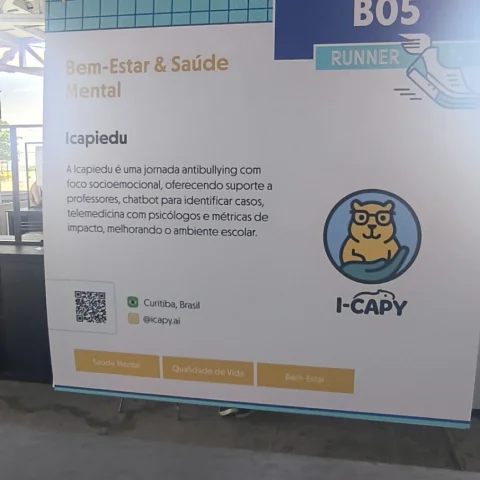
The photographs record my visit. By themselves, they do not identify each person's professional role, the dogs' names, or their participation in particular programs. I therefore preserve the distinction between learning about an organization and assigning an individual history to a photographed animal.
A case documented by INCAvoluntário
There is a concrete institutional reference: INCAvoluntário records a partnership with Programa Alice beginning in February 2024. The publication reports visits to the palliative care unit in Vila Isabel, Rio de Janeiro, and describes preparation and assessment involving animals and their handlers.
This record establishes work with an institution and places an activity in a particular time and setting. It is a more useful basis for understanding the initiative than extending a general promise of benefit to every context.
Reading the account, my attention turns to organization. How does a visit fit into the setting's routine? Who accompanies the encounter? How are participants' needs considered? How are its duration and the option to end it decided? These are questions for understanding the service, rather than answers a photograph can provide.
Language that distinguishes aims
IAHAIO proposes animal-assisted services as an umbrella term covering treatment, education, and support programs. This distinction helps people describe activities involving humans and animals more precisely.
In public communication, I consider it important to explain an encounter's purpose in straightforward language. People need to know what they are taking part in, who will be there, and how they can express a preference. The same clarity helps institutions and families understand the offer.
Results also need context. An experience reported by a family, a team's observation, and a research assessment answer different questions. Each may contribute to understanding a program when the nature of the information is clear.
Preparation includes hosts and handlers
Consider a hypothetical planning example: an institution intends to hold an activity involving animals in a designated space. Before the encounter, the team would need to discuss circulation, duration, responsible staff, participation alternatives, and ways to communicate changes. This does not describe a specific PataE protocol; it illustrates decisions I would want to understand when learning about a service.
Different participants see different aspects of an experience. The person accompanying an animal notices things a visitor may not know. The institution's team understands the routines of the people receiving care. Participants have preferences of their own. Good planning creates room for these perspectives to be considered.
People recording or publicizing an activity have a further responsibility: producing images and accounts consistent with what was authorized and actually observed. Communication needs to preserve the respect expected of the experience itself.
What I take into my own projects
The encounter also made me think about DeuPet, my responsible adoption project. The purposes differ, but one question brings the reflections together: how can we prepare a relationship around the needs of its participants?
For DeuPet, that can guide educational material about adjustment, useful information in profiles, and arrangements for first meetings. This is my product reflection, rather than a partnership announcement or a proposal to assign therapeutic roles to animals available for adoption.
Learning about an organization begins with interest and develops through specific questions. In PataE's case, I want to recognize what deserves careful understanding: preparation, responsible people, the purpose of each activity, and care for the animals taking part.
Sources and further reading
- PataE Academy — about the organization.
- INCAvoluntário — partnership with Programa Alice.
- IAHAIO — animal-assisted services terminology update.
- Author's photographs taken at the event on November 13, 2026.